Biomechanical Engineering and Applied Robotics Laboratory
Contacto:
Email: delias@pucp.pe
Phone: (01) 626 2000 extension: 4754
See 360° virtual tour >

Email: delias@pucp.pe
Phone: (01) 626 2000 extension: 4754
See 360° virtual tour >
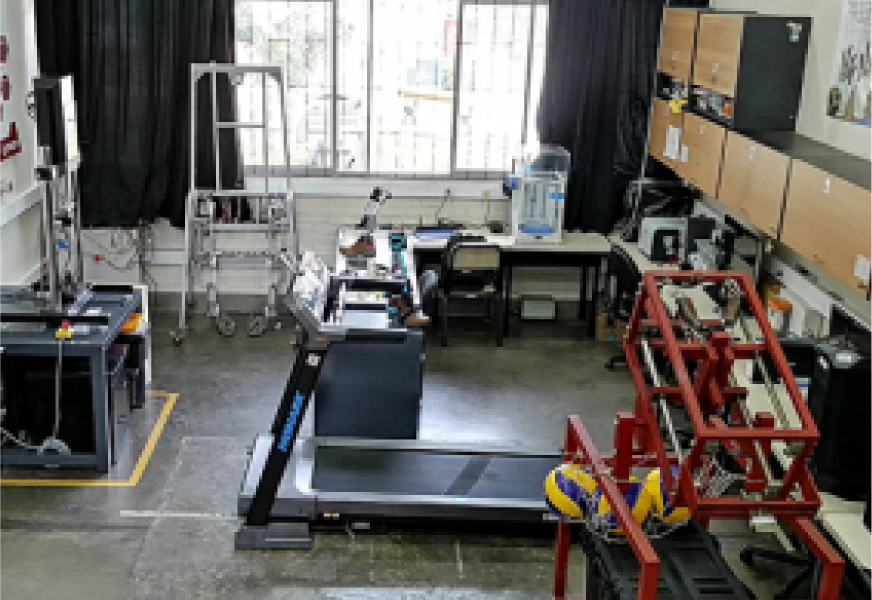
The Laboratory for Research in Biomechanics and Applied Robotics (LIBRA) has human resources, equipment, devices, instruments and materials necessary to provide support to research groups of the PUCP, as well as national and international researchers and students. This support is aimed at the analysis and characterization of human and animal movement, the development of equipment, devices, instruments, wearables and software for rehabilitation, assistance, prevention or training of humans and animals, the use, development or implementation of artificial intelligence techniques applied to the biomechanics of the human body, and the study of the mechanical properties of parts manufactured by 3D printing.
Through various private and state subsidies, numerous research projects have been developed that generate new knowledge and technological advances, providing solutions to scientific problems and questions. Likewise, we contribute to the professional training of researchers, strengthening their capabilities and skills. This work has resulted in publications and papers in international journals and conferences, undergraduate and graduate theses, intellectual property registrations (patents, software and audiovisual works), as well as the development of prototypes and technological products.
Laboratory Coordinator:
Dr. Dante Elias
Laboratory Analyst:
Ing. Victoria Abarca
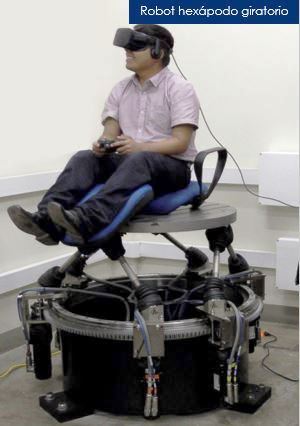
High performance and precision system that allows to study the complex motion dynamics generated by the platform on the object of study.
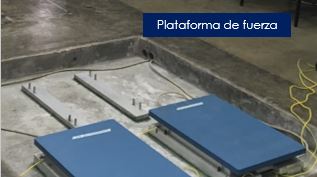
Each platform allows the acquisition of force and moment data as a result of the application of loads on the contact surface.
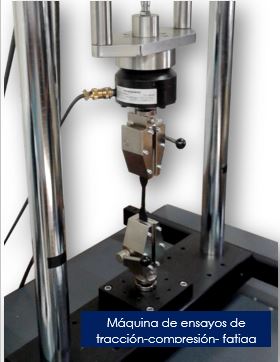
This equipment performs fatigue-type mechanical tests on solid and visco-elastic specimens of reduced dimensions.
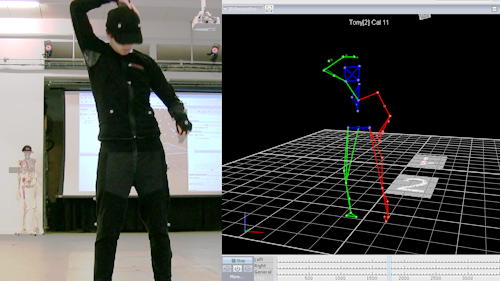
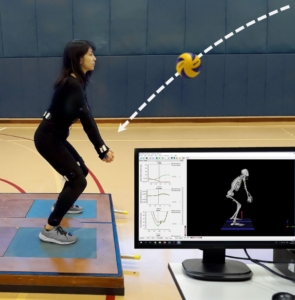
Photogrammetry system, which makes it possible to determine the position of the markers placed on the person's body.
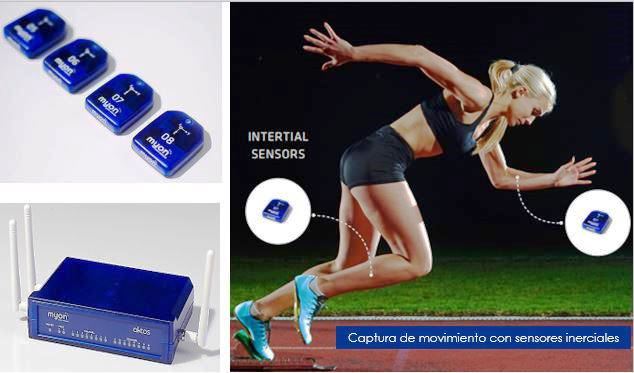
A system of inertial sensors placed on the person's body to capture and analyze movement.
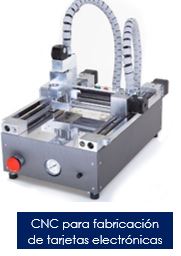
Cirqoid is a printed circuit prototyping machine, which allows to produce a prototype PCB (printed circuit board). The machine accepts several specific operating heads.
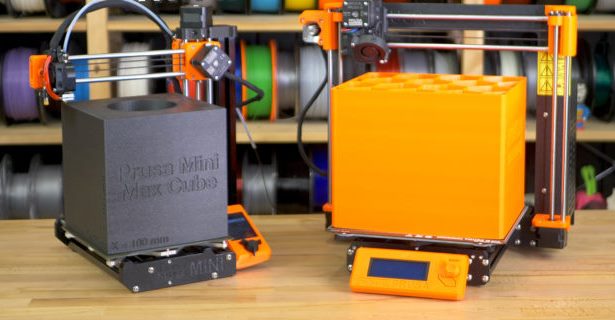
The lab has Ultimaker 2, Prusa MINI, MK3S and the Bambu Lab X1-Carbon Combo 3D printers to convert a digital model into a solid three-dimensional object.
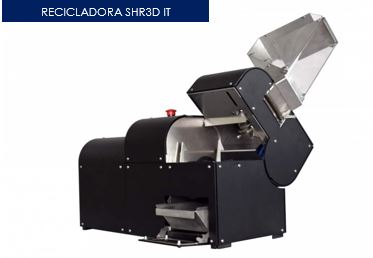
The SHR3D IT plastic recycler converts raw plastic into high-quality 3D printing granulates. It is designed for effortless operation with rugged and durable components.
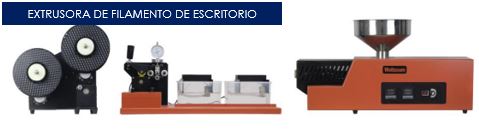
The Wellzoom desktop extrusion line is a small 3D supply production line, including filament pallets, water cooling and winding.
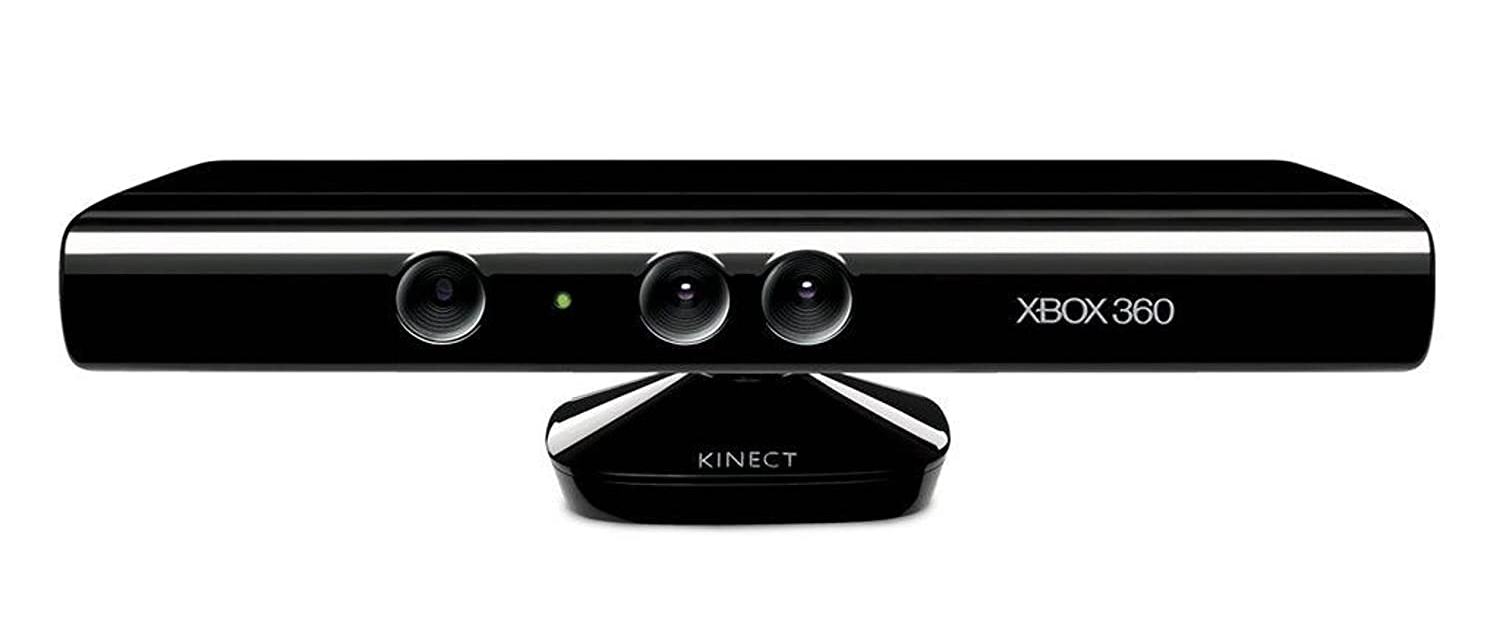
The Kinect Xbox360 optical motion capture sensor. It is used for hand-controlled image projection (puppetry), environment recognition for post-processing, gesture-based drone operation, augmented reality, telepresence and remote surgery.
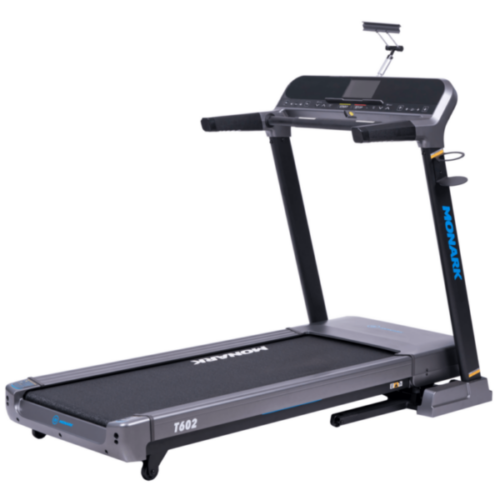
It is used for motion analysis for design and design validation of assistive and rehabilitation devices and instruments for measuring degrees of articulation of the human body.
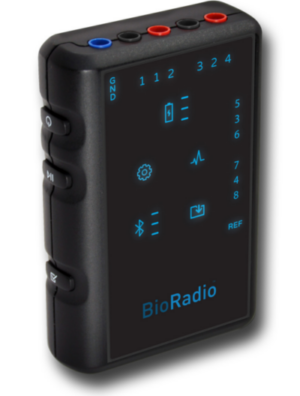
The Great Lakes Neurotechnologies BioRadio is a wireless device for the acquisition of physiological signals such as respiration, cardiac pulse, and dermo galvanic responses, including a calibration spirometer.
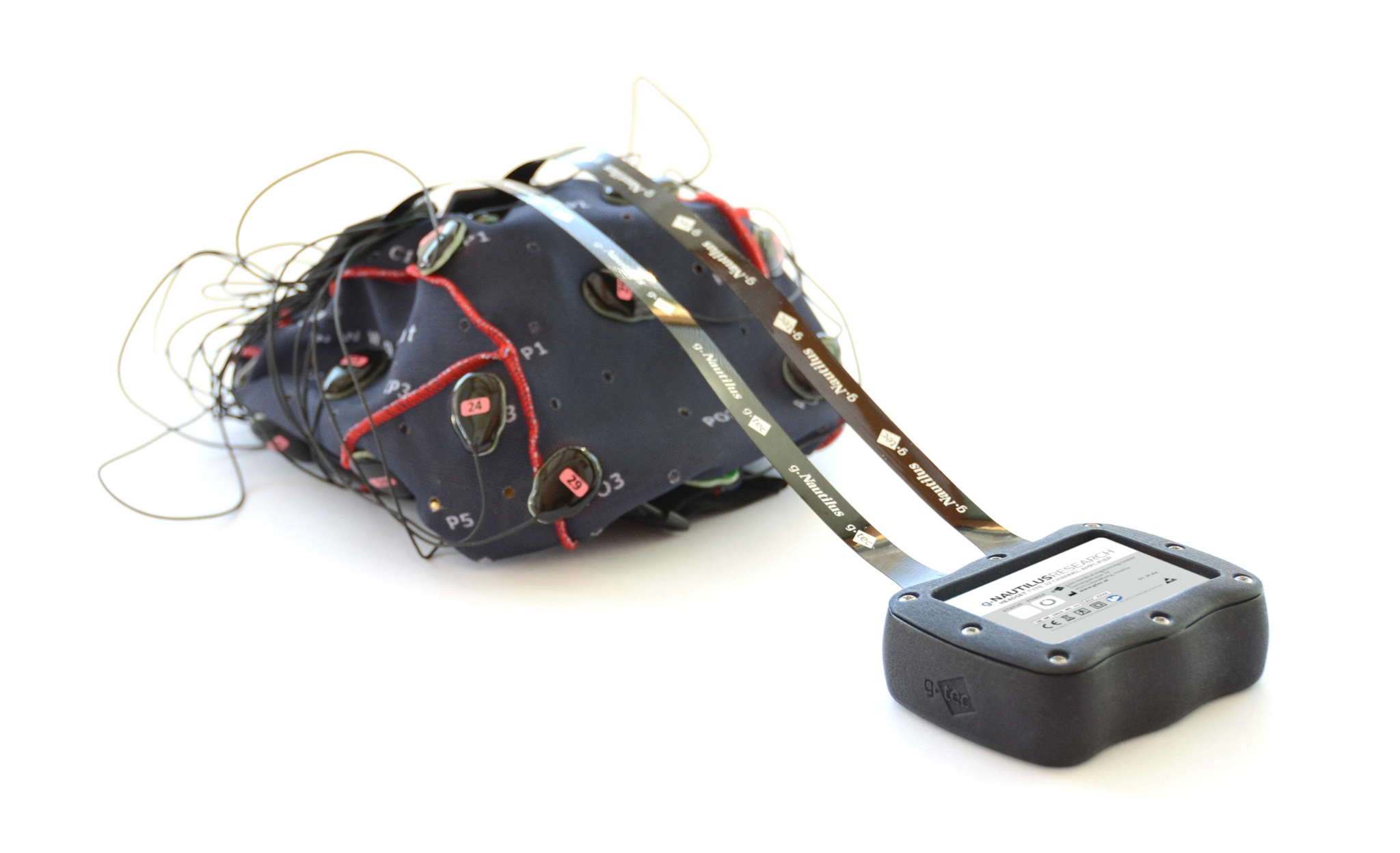
The g.tec g.Nautilus Portable Biosignal System (EEG) is used for physical rehabilitation studies, mental disorder problems, science and sports medicine, and to carry out monitoring actions.
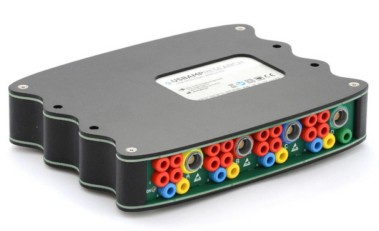
The USB biosignal amplifier or USBamp from g.tec is a specialized device for processing electroencephalographic (EEG) signals for neuroscience and robotics research, specifically at the brain-computer interface. It works in conjunction with a biosignal acquisition system.
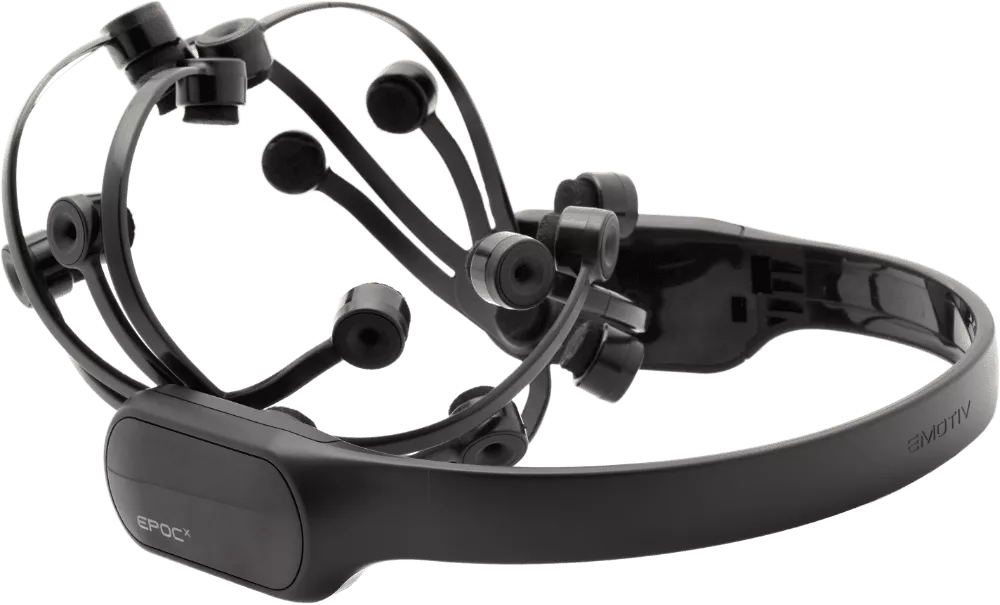
Wireless EEG signal acquisition equipment of the Emotiv brand, EPOC X model. It has 14 channels with saline-based electrodes and 9-axis inertial sensors that detect head movements.
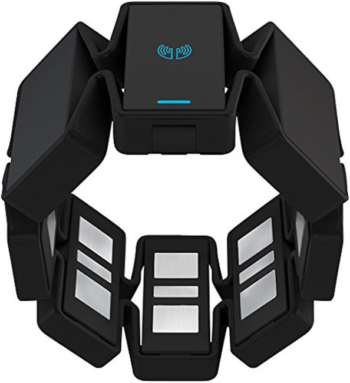
Bluetooth wireless equipment to acquire EMG signals from the arm and send them to prosthesis, robots, video games, drones, etc. It has internal EMG sensors, 9-axis IMU: 3 gyroscopic axes, 3 accelerometer axes and 3 magnetometer axes, two LED indicators, ARM Cortex M4 Processor and haptic feedback: low, medium and strong vibrations.
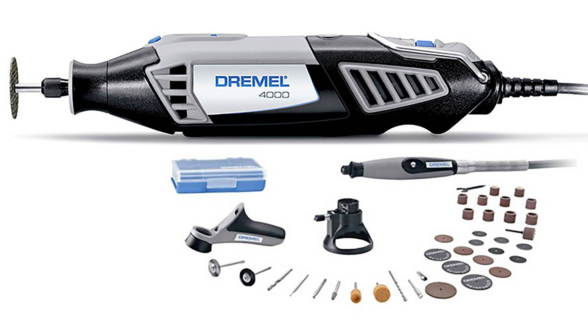
The Dremel 400 is a multi-purpose tool that can perform carving, engraving, milling, cutting, sanding, grinding, sharpening, polishing and precision cleaning. It has a variable angular speed from 5,000 rpm to 35,000 rpm, electronic feedback and 175W of power.
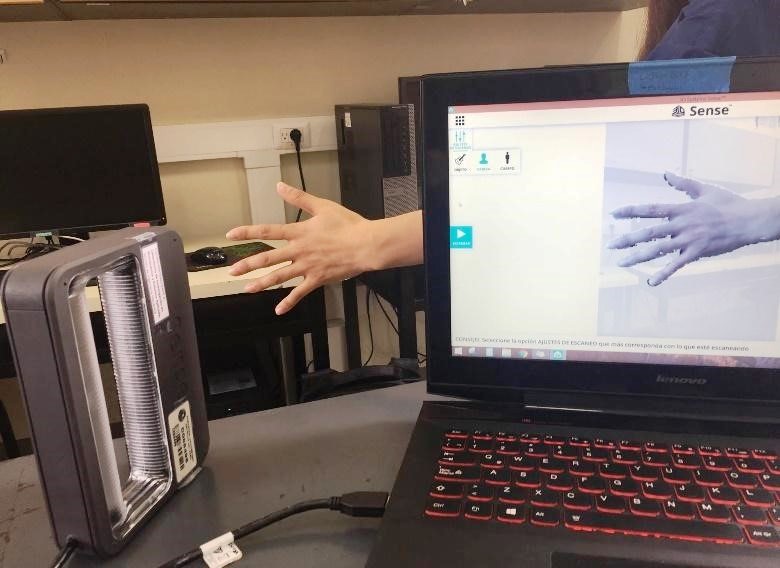
The Sence 3D scanner is portable and uses structured light technology to capture surfaces in space. It works in conjunction with Sense 3D scanner software and a laptop that captures and processes data in real time, receiving the information and generating the 3D digitization of the object in STL, OBJ or PLY formats.
The LIBRA laboratory has developed a wide variety of projects in the research lines of biomechanics for health and sports, applied robotics and human movement analysis, and artificial intelligence in biomechanical applications. These projects focus on research, development and innovation of assistive techniques and technologies applied to physical rehabilitation and the improvement of people's quality of life.
For more information about the projects carried out in the LIBRA laboratory:
1. Consult the WEB page:
https://investigacion.pucp.edu.pe/grupos/girab/proyectos/
2. GIRAB-Proyectos Magazine:
https://drive.google.com/file/d/1ZBAvLRwAjb9ZBS0f4zAoEMrUDfwegCxq/view?usp=sharing
LIBRA is not an Academic Laboratory, it is a Research Laboratory, but it provides support to the following courses if needed:
Undergraduate:
Scope of service:
Equipment and instrumentation:
Addressed to: