Materials Laboratory
Contacto:
Correo: labmat@pucp.edu.pe
Teléfono: (01) 626 2000 anexo: 4879 – 4850
Ver recorrido virtual 360° >

Correo: labmat@pucp.edu.pe
Teléfono: (01) 626 2000 anexo: 4879 – 4850
Ver recorrido virtual 360° >
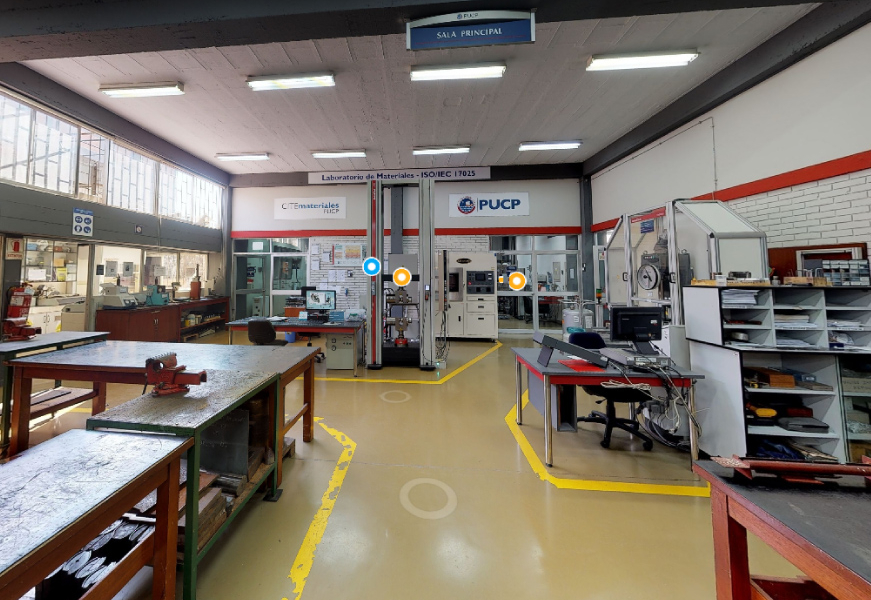
The Materials Laboratory began its activities in 1972 mainly to support the academic training of mechanical and industrial engineers through the study of the mechanical properties of different engineering materials and their close relationship with their microstructural characteristics.
Currently, in addition to carrying out various materials tests, the PUCP Materials Laboratory has implemented consulting and inspection services aimed at meeting the needs of various industrial sectors. Due to its constant support to the national industry, its technology capabilities and trained personnel, it currently has the qualification of "Centro de Innovación Productiva y Transferencia Tecnológica CITEmateriales PUCP", qualification granted by the Ministry of Production (PRODUCE).
The Materials Laboratory has the following areas:
Mission:
To articulate the needs of the industry, the benefits provided by the state and the development of knowledge generated by the academy; through agreements and research projects that are worked with highly qualified personnel; with the purpose of transferring and extending technologies to the companies, contributing to their development and improving their productivity.
Vision:
To be a leading organization in research and technological development in the field of materials, recognized in contributing to the improvement of productivity and competitiveness of companies nationwide, by supporting innovation, technology transfer and process improvement.
Head of Laboratory:
Dr. José Sakihama
Analysts:
Eng. Víctor Agüero
Wilber Carrasco
Carlos Fosca
Raúl Hurtado
Carlos Juarez
Daniel Merino
Rolando Núñez
Ronald Peralta
Carlos Romero
Eng. Aníbal Rozas
Francisco Rumiche
Quality Management System Coordinator
Eng. Lourdes López
Administrative Assistants
Noemi Moy
María del Pilar Rodríguez
Laboratory Technician
Santos Sigüenza
Laboratory Assistant
Rosell Ruiz
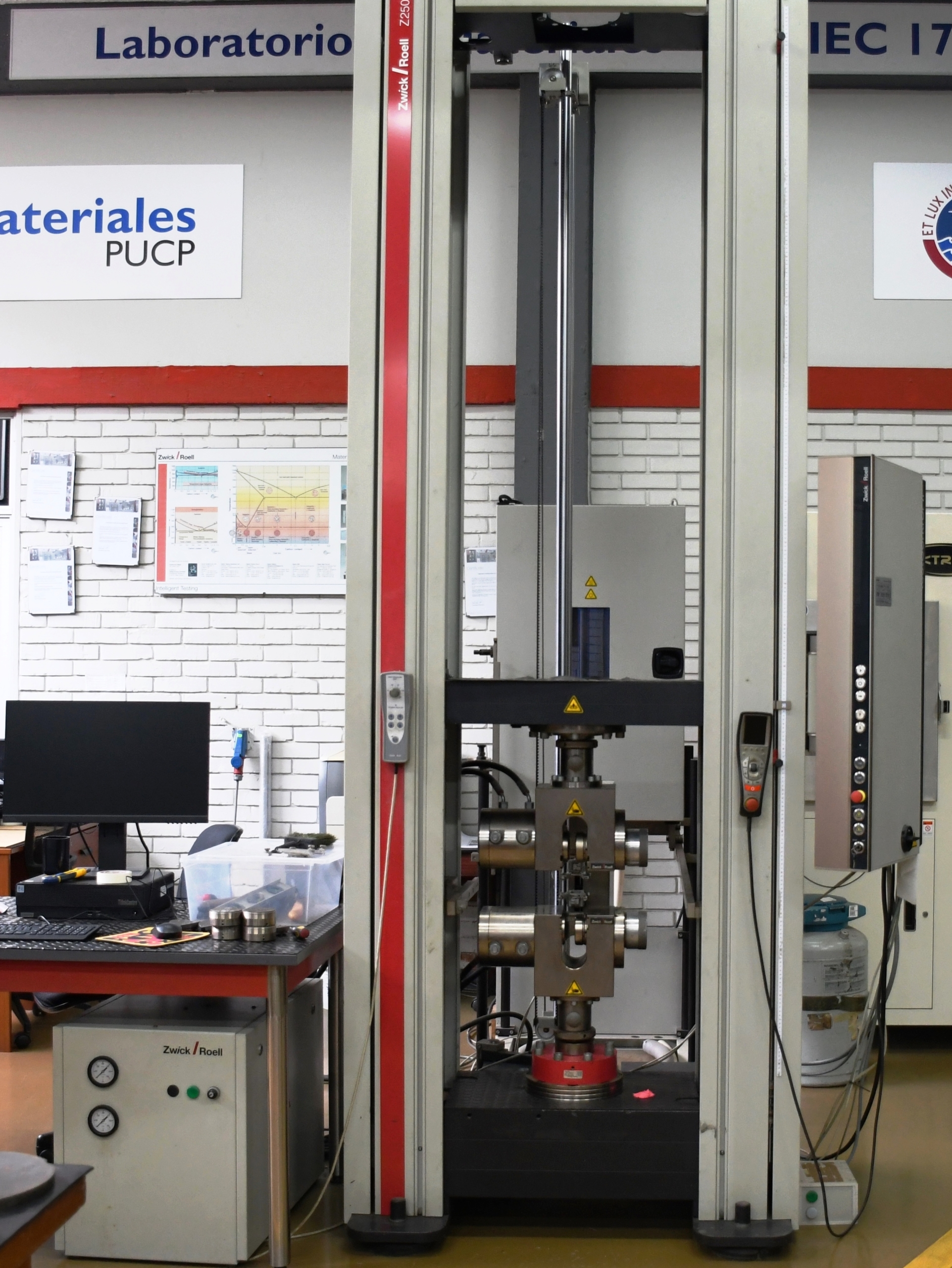
Elementary equipment for the determination of mechanical properties. Equipment of different capacities (0.5kN, 50 kN, 250kN, 600kN) and strokes (up to 180cm) are available.
Allows to quantify the percentage of alloying elements in the metallic material of Fe-based alloys (steels and castings), Cu, Al, Ni, Ti and Co.
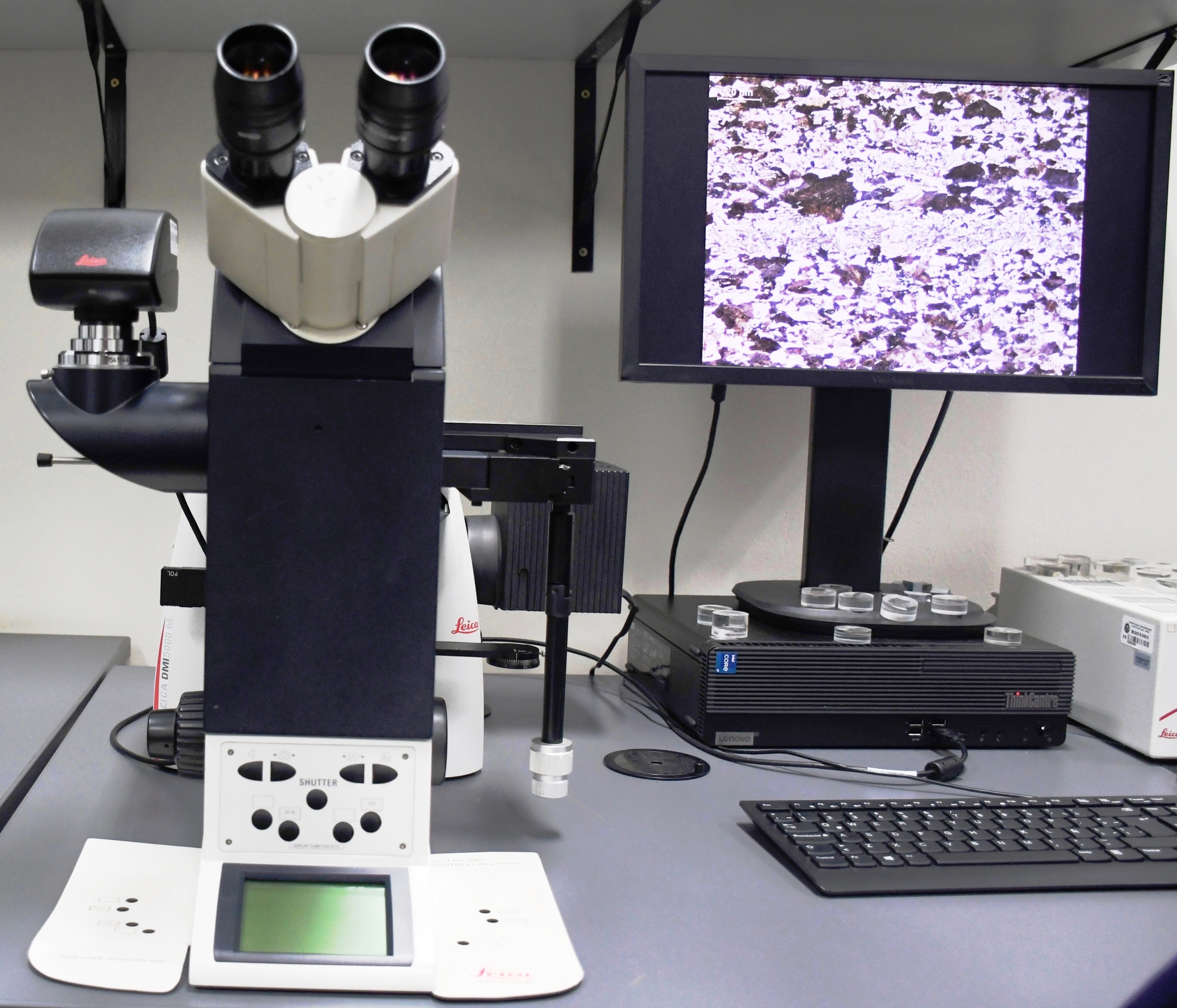
Analyze microstructures of various alloys and verify heat treatment and casting conditions, among others.
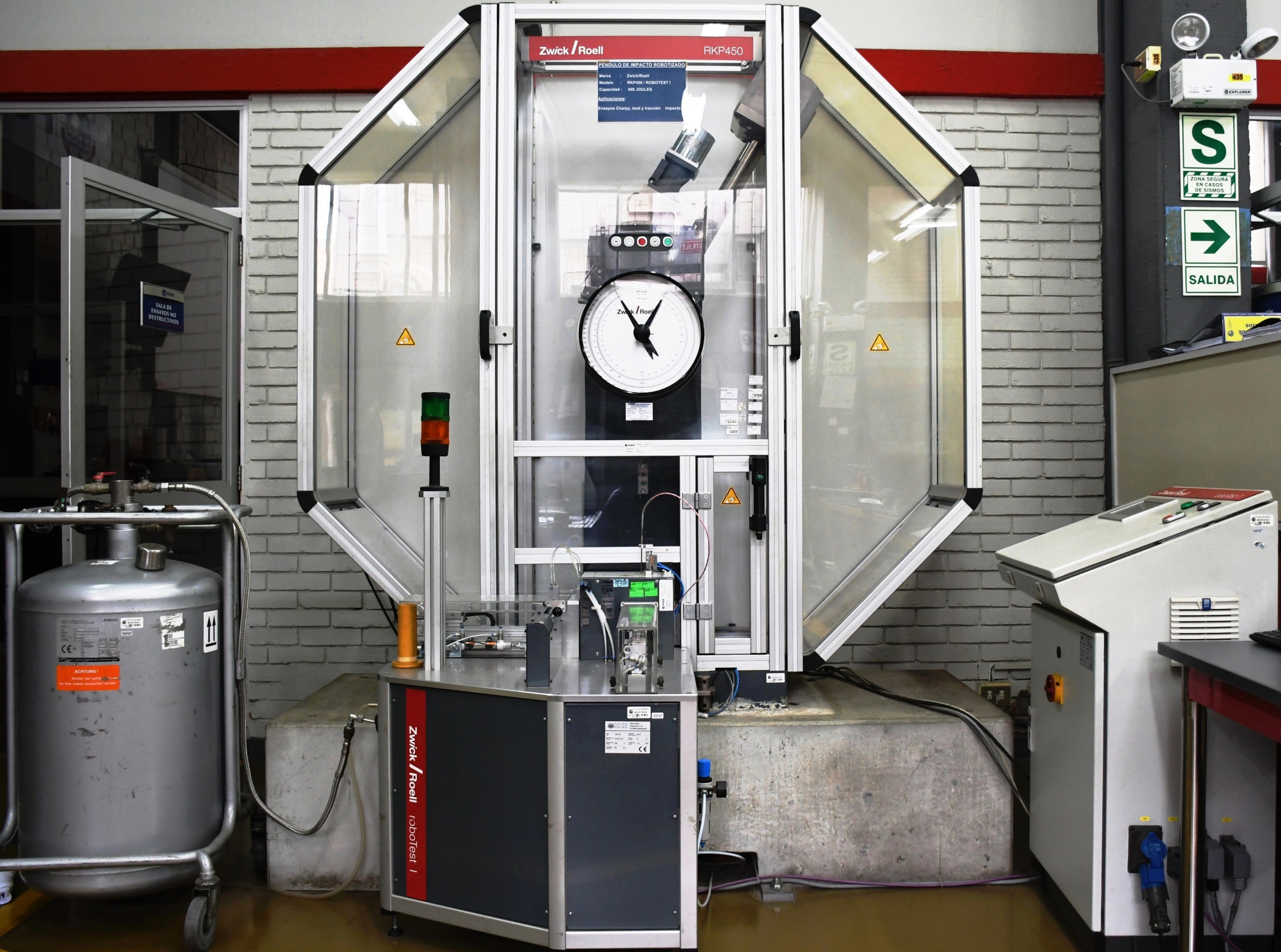
The robotest system ensures that the impact test is performed at the temperature desired by your requirements (from -160°C to 200°C).
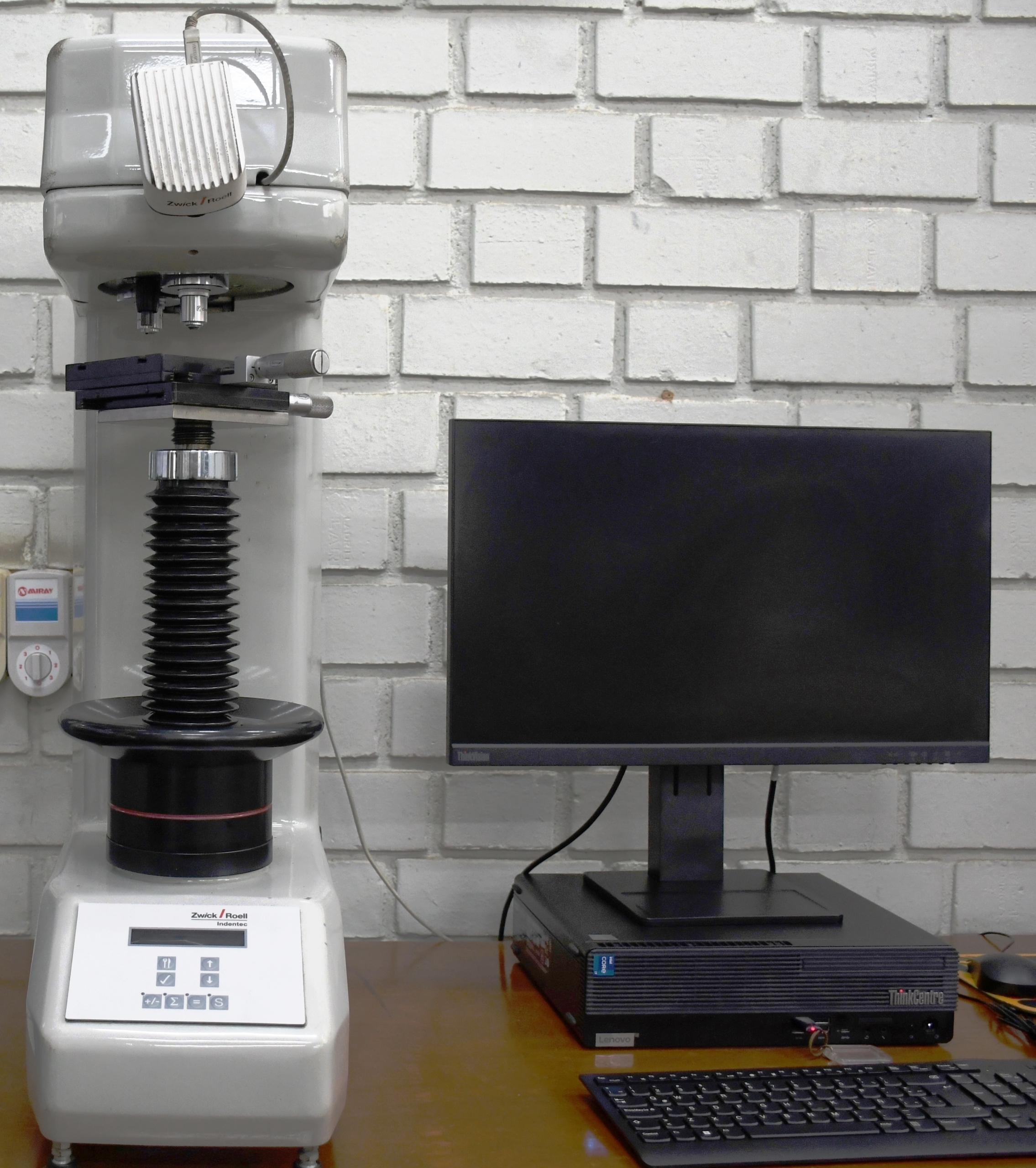
It allows to evaluate the hardness of different materials under the Vickers method (loads from 100g to 20 kg).
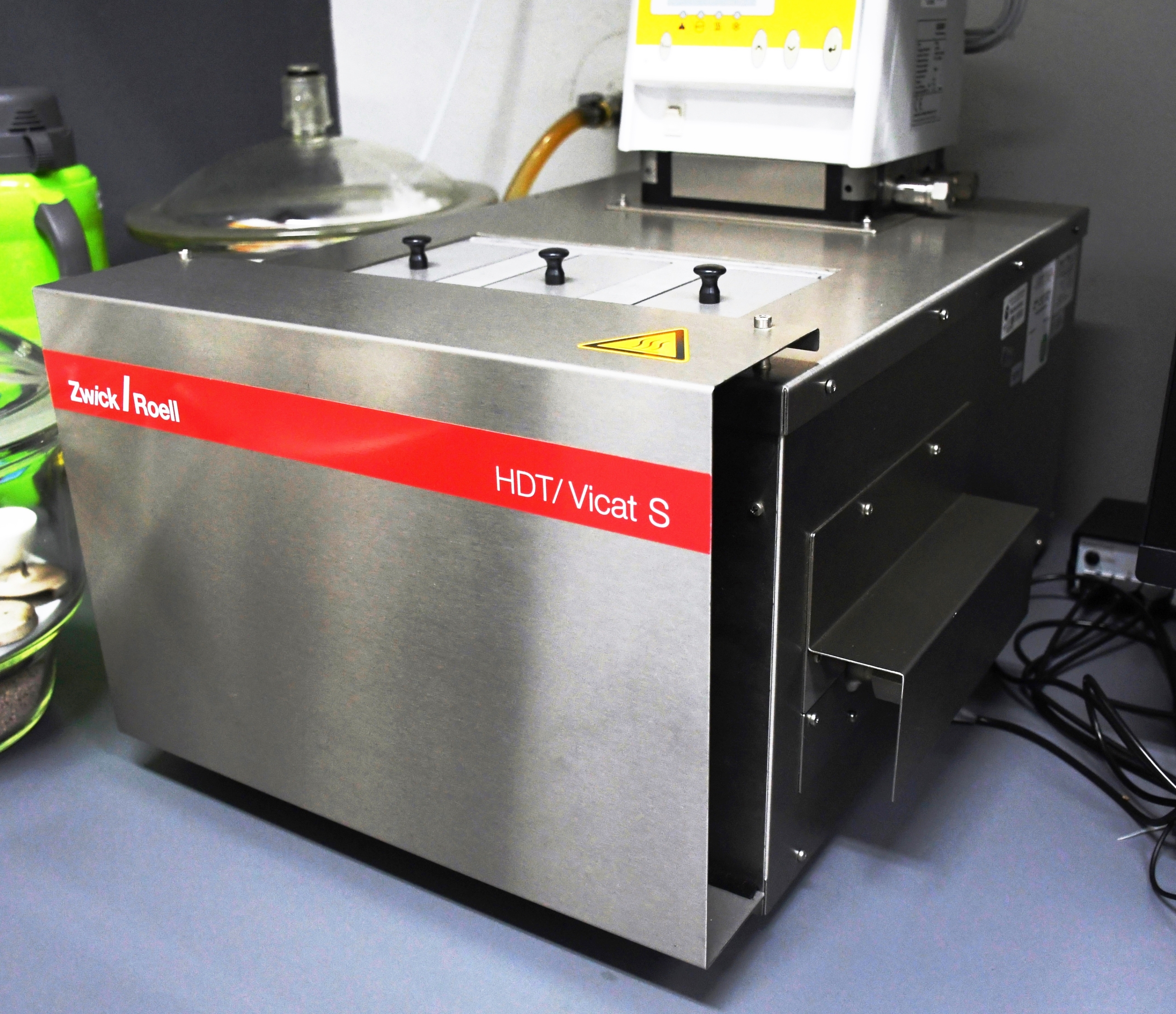
To determine the temperature at which the plastic product changes its mechanical properties (softens).
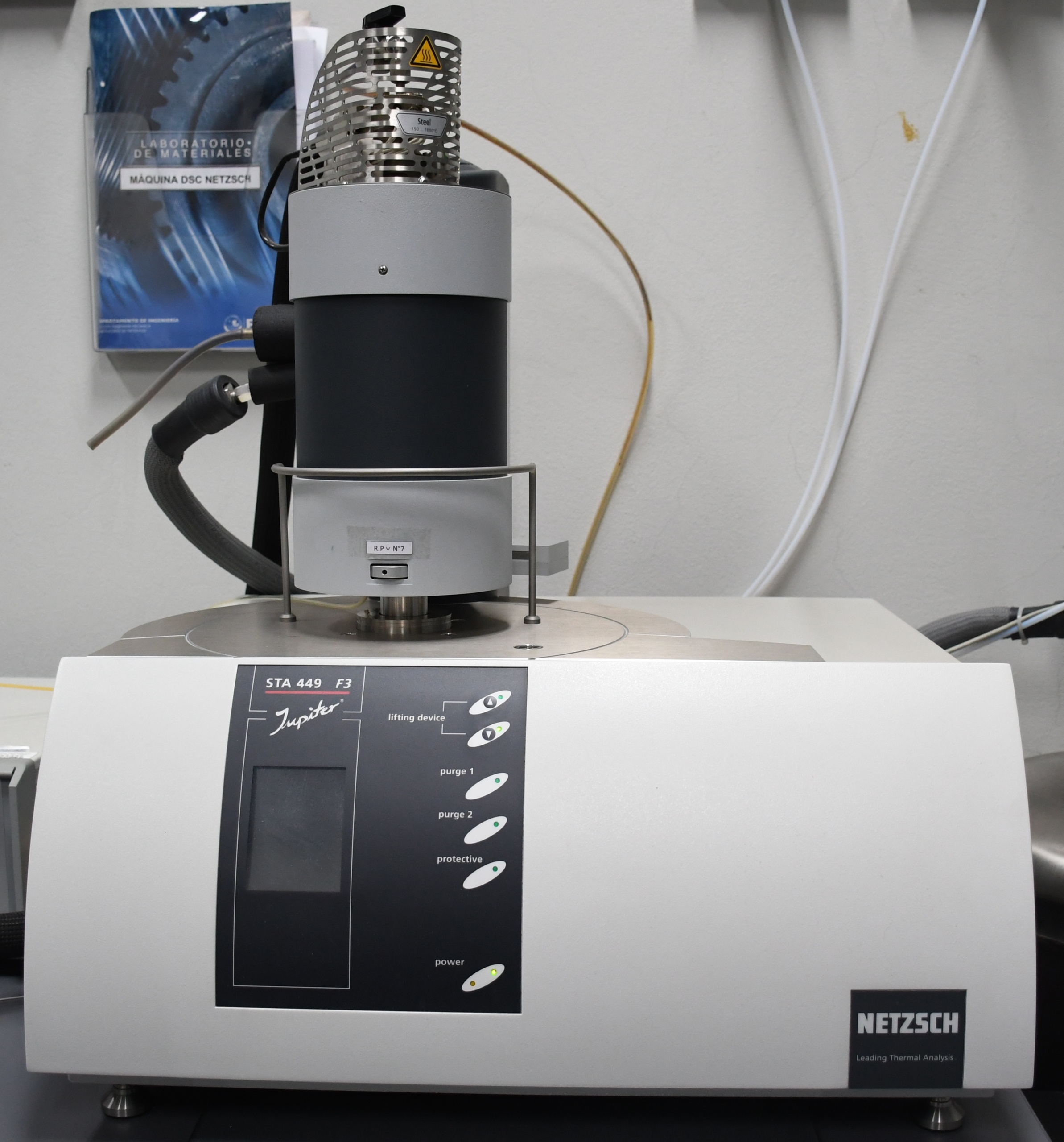
It is used to determine the glass transition temperature, crystallization, melting and degradation temperature. As well as heat capacity and degree of crystallinity. Temperature range: Ambient up to 900°C.
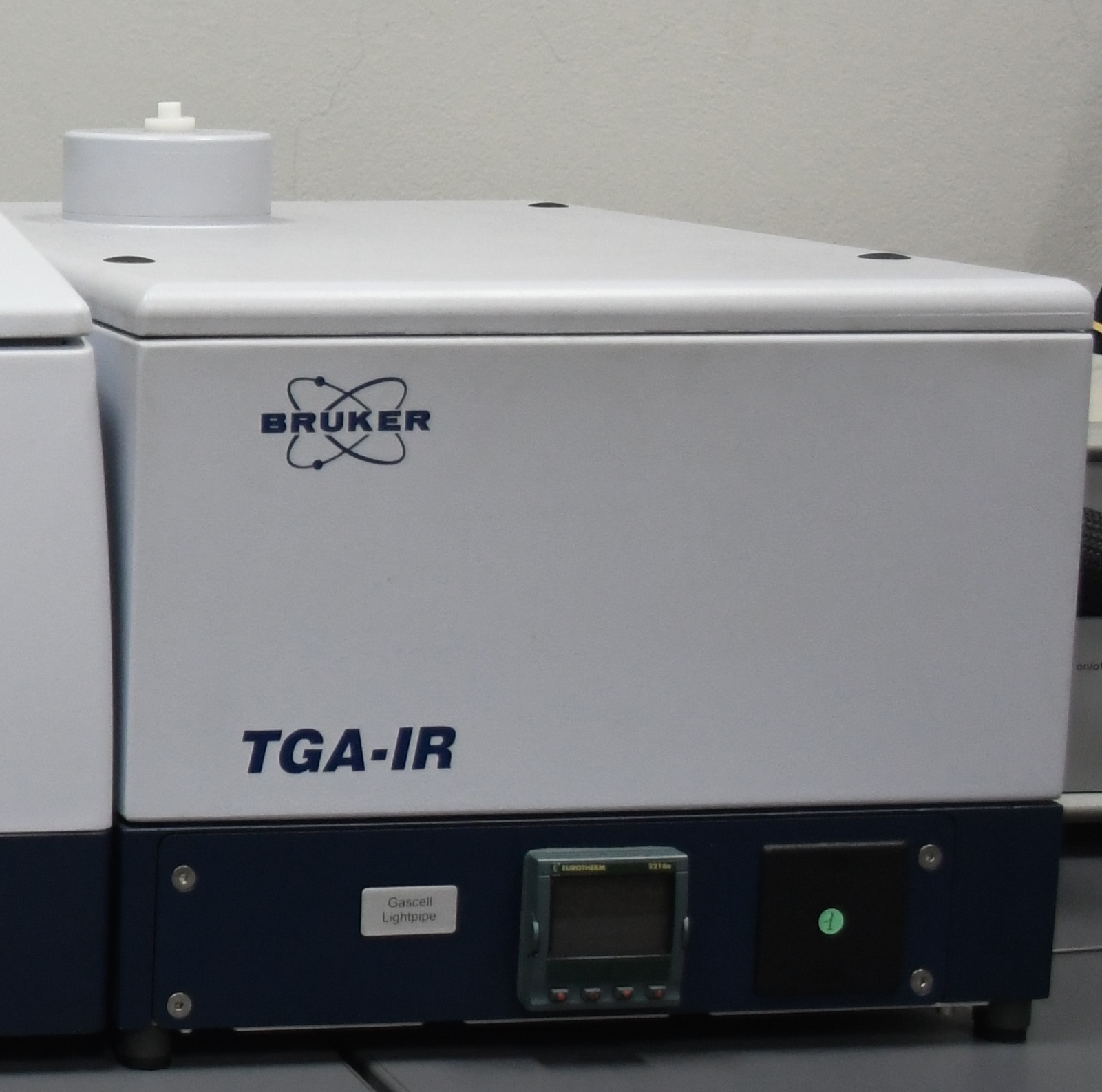
Equipment that allows to determine the mass change temperatures of the material and thus to evaluate the percentage of the materials that compose it, together with supplementary techniques.
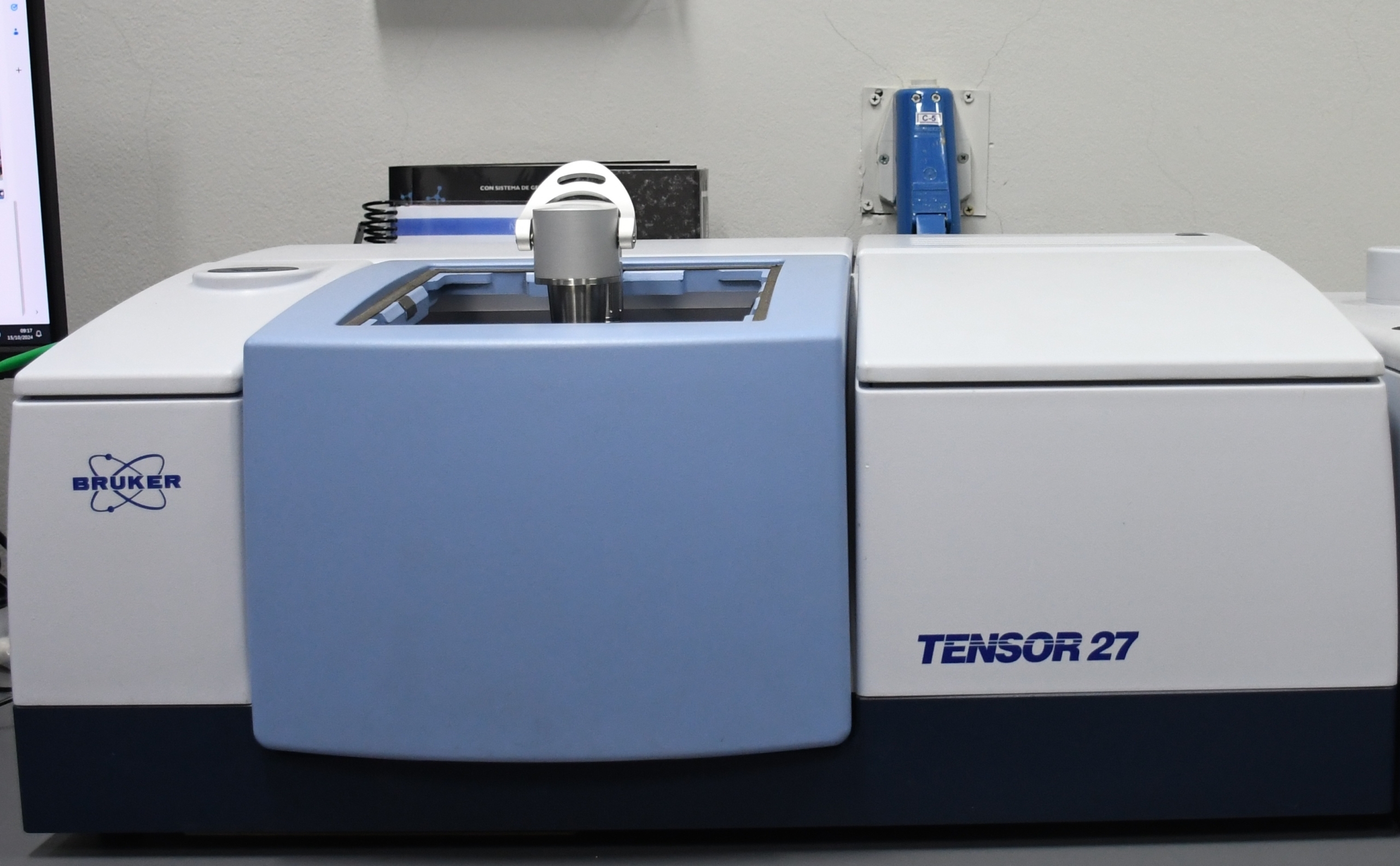
Technique necessary to identify the type of polymers or polymers that compose the sample (blends), by means of Absorbance or Transmittance techniques.
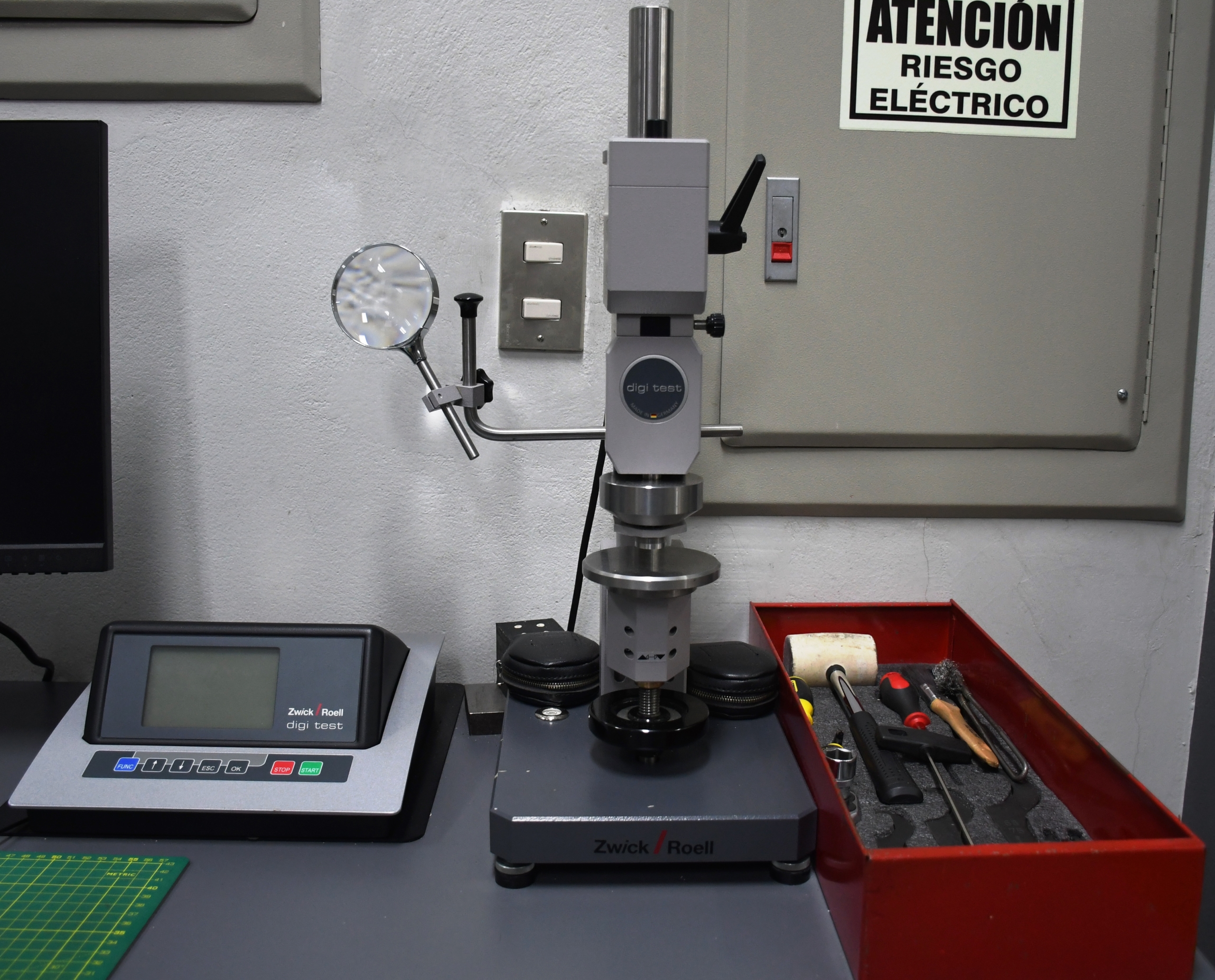
Allows the evaluation of hardness in thermoplastic materials and elastomers. Widely used for rubbers and silicones.
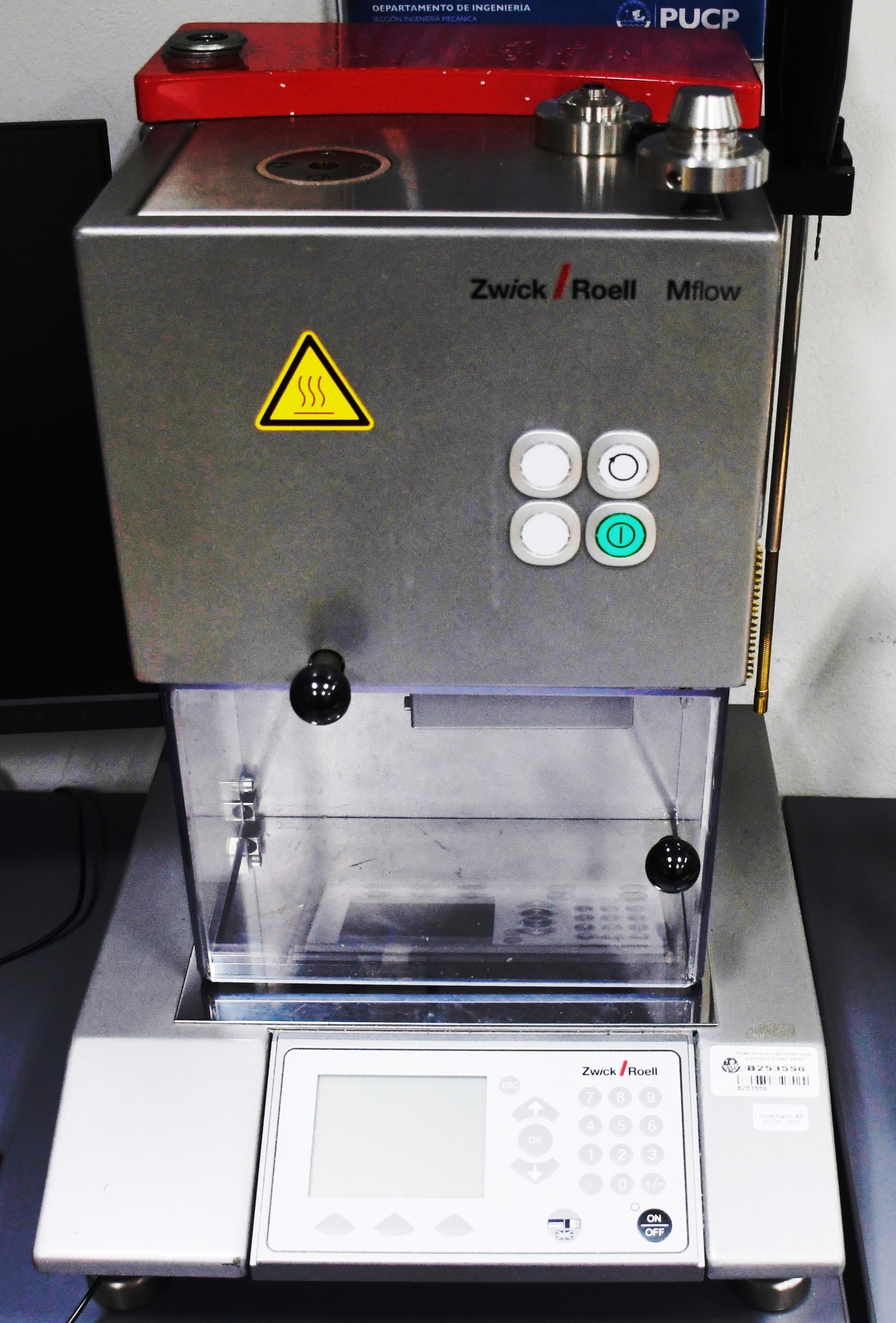
Fundamental equipment for the determination of the working temperature of a given polymer (e.g. for extrusion or injection).
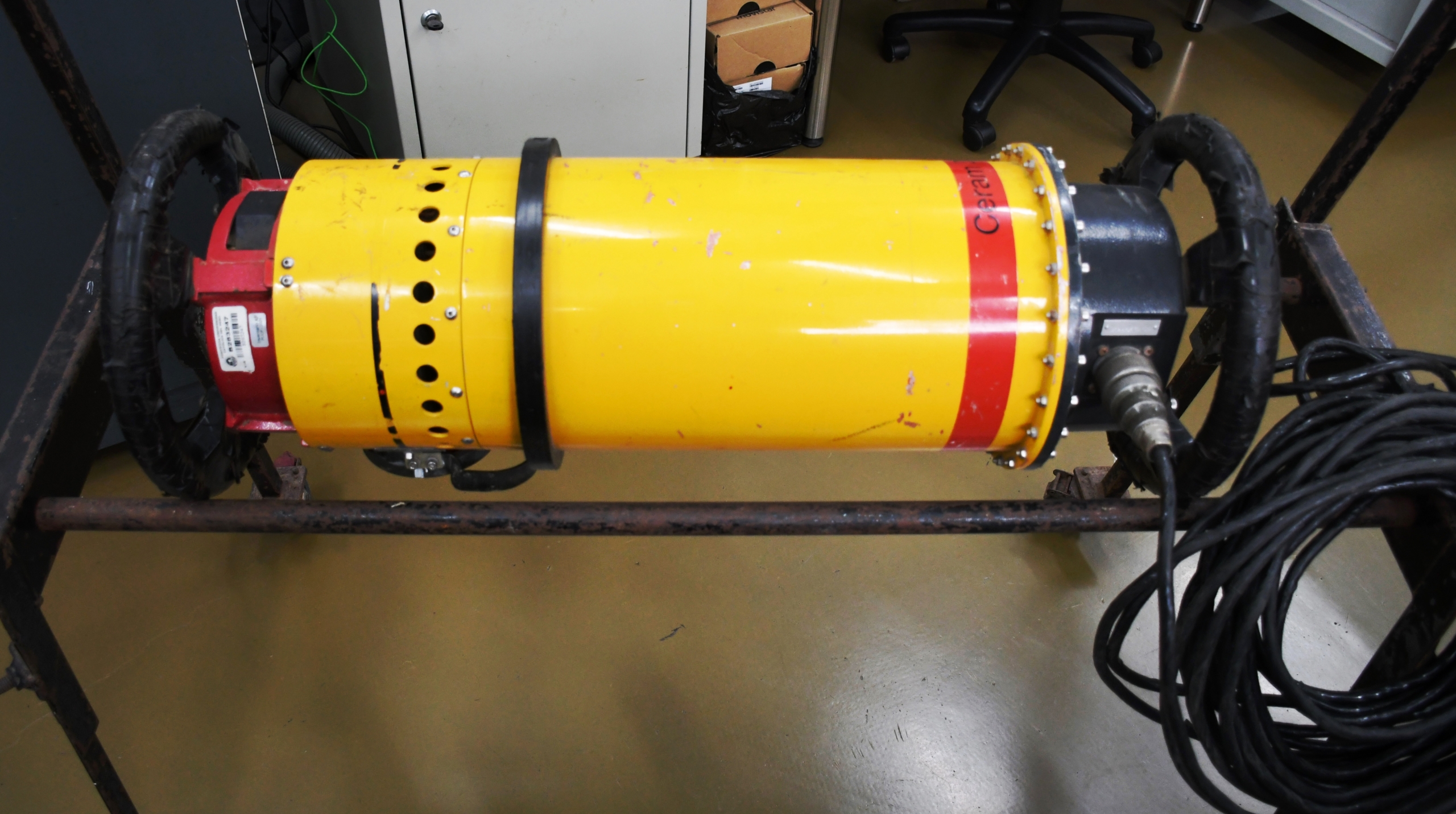
For field or laboratory inspections. With capacity up to 300kV of power.
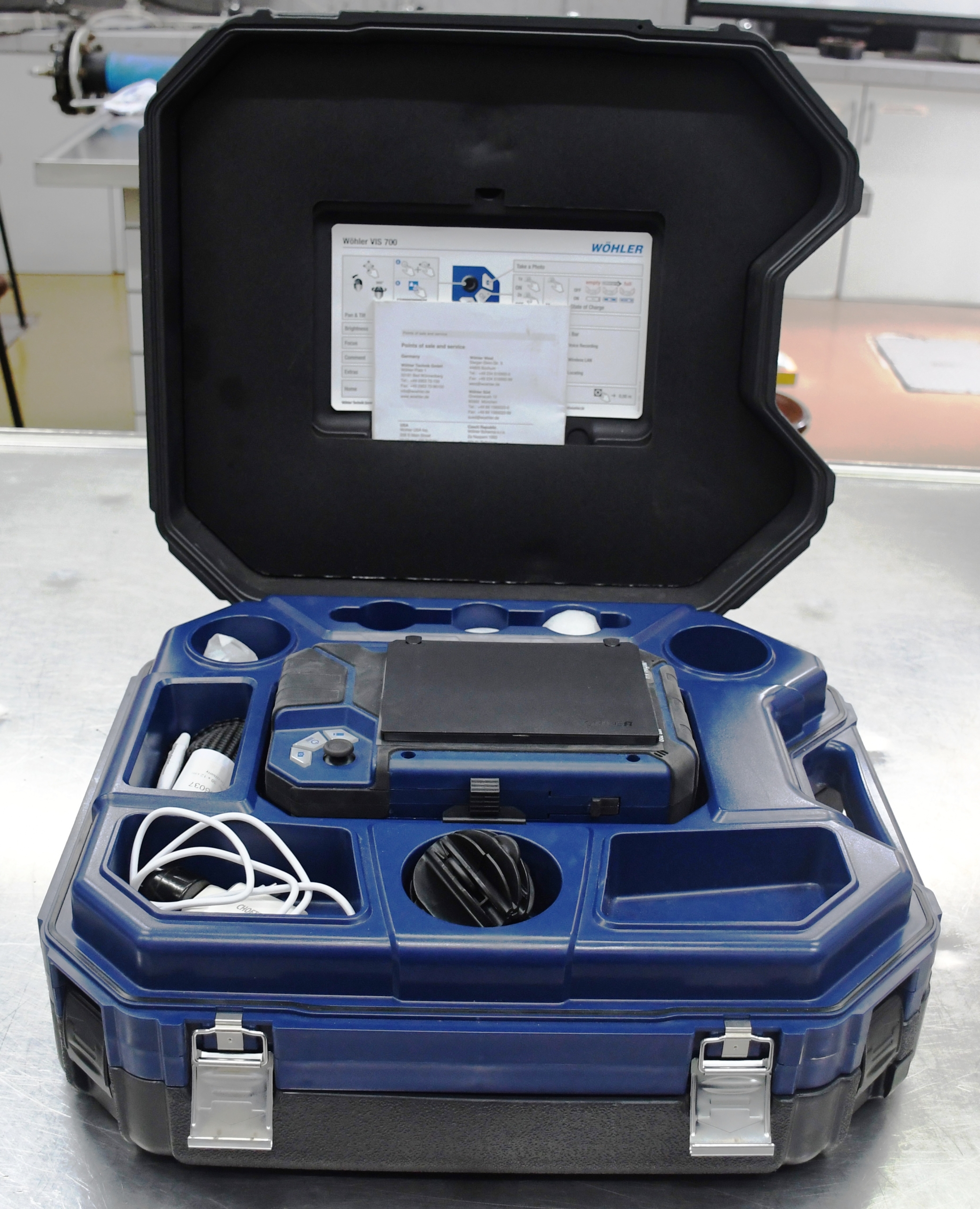
Specially designed for internal visual inspection of pipes or elements with reduced access. It has a capacity of 30m longitudinal.
Thanks to the versatility and modernity of its equipment, the Materials Laboratory supports research not only in the area of Mechanical Engineering, but constantly supports various research projects in other areas of engineering or architecture, including other institutions or universities.
In addition, many of the investigations have been carried out with private funds or with funds won by state competitions (for example: Innovate Peru) and directed by professors of the Mechanical Engineering Section, where one of the contributions of the Laboratory staff is the advice for the correct execution of the tests.
Finally, the Materials Laboratory makes its research and innovation capabilities available to the national industry for:
Algunos grupos de investigación con los que se han desarrollado trabajos son:
The Materials Laboratory provides support to academic training in:
Undergraduate (Mechanical Engineering, Industrial Engineering, Mechatronics Engineering and Biomedical Engineering):
Posgrado:
Continuing Education ( INGESOLD PUCP Programs):